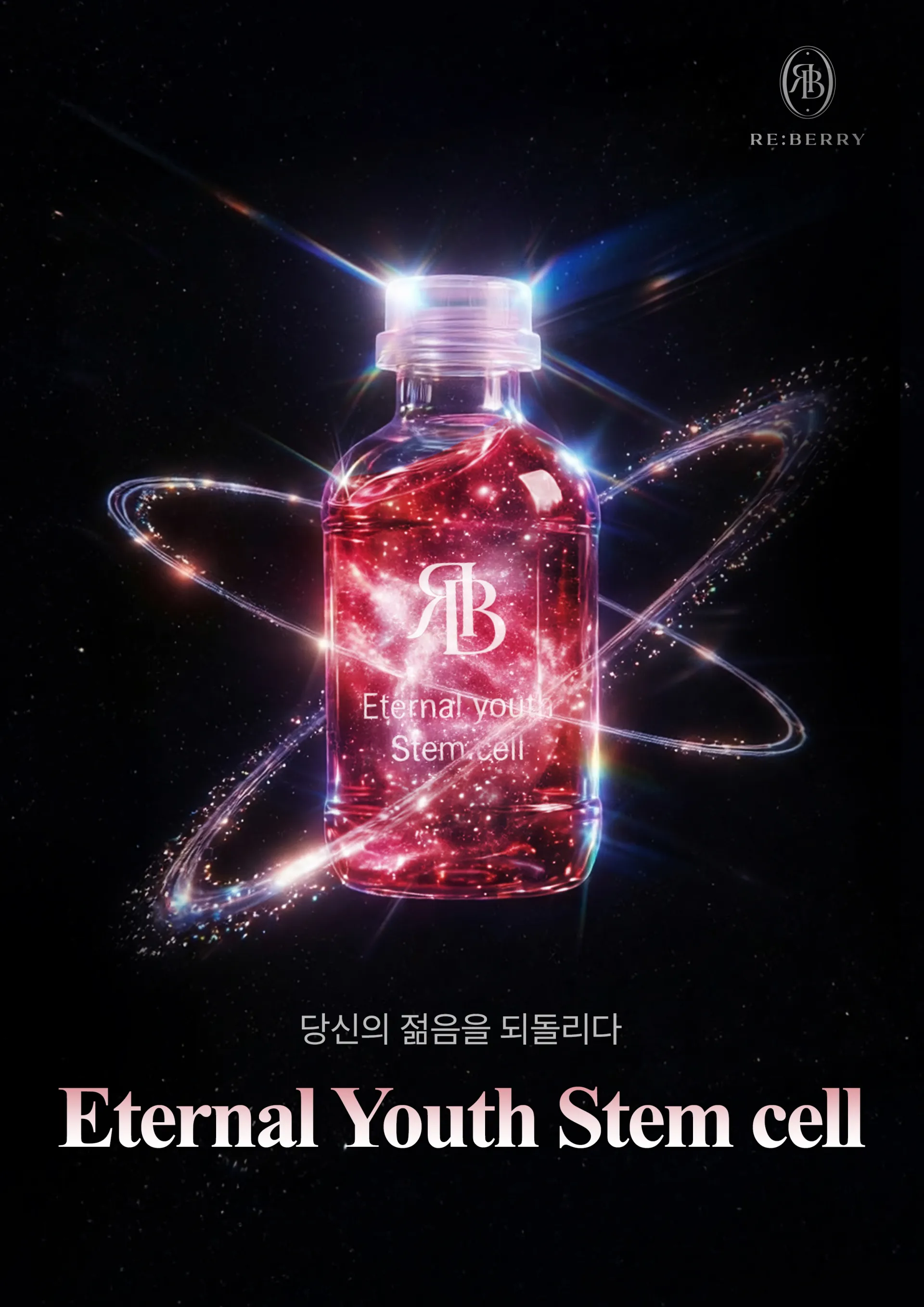
How Stem Cell Therapy Has Evolved in Korea
Stem cell therapy in South Korea has undergone rapid transformation since regulatory frameworks expanded in 2024. Korean clinics now operate under MFDS-approved protocols that permit autologous blood-derived therapies, exosome applications, and growth factor injection systems. The shift from experimental to standardized practice means patients access treatments with documented safety profiles and reproducible outcomes.
Autologous blood therapy remains the foundation of Korean regenerative medicine. The process extracts platelet-rich components from 20-60ml of the patient's own blood, concentrates growth factors by 5-8x, and reinjects them into target areas. Processing time has decreased from 45 minutes to approximately 20 minutes with newer centrifugation systems, improving cell viability rates to above 92%.
Key Stem Cell Innovations in Gangnam for 2026
Eternal Booster Technology
The Eternal Booster ampoule system pairs with autologous blood therapy to amplify regenerative signaling. Each ampoule contains concentrated growth factors that complement the patient's own platelet-derived compounds. Clinics offering the full Eternal Youth protocol combine 4 kits of autologous blood therapy with 4 Eternal Booster ampoules and 12,000 shots of Revinas micro-focused energy. This multi-modal approach targets collagen remodeling at depths of 1.5mm to 4.5mm.
Exosome Delivery Systems
Exosome therapies represent the most significant stem cell trend for 2026 in Gangnam. These nano-sized vesicles (30-150nm diameter) carry signaling molecules that instruct recipient cells to repair and regenerate. When delivered via microneedling devices like Potenza at 0.5-2.0mm depths, exosomes penetrate the dermal layer more efficiently than topical application alone. Clinical observations show 40-60% improvement in skin texture scores over 3 sessions.
Stem Cell Therapy Applications Beyond Anti-Aging
Korean clinics have expanded stem cell therapy applications into scalp regeneration, scar revision, and post-procedure recovery acceleration. Scalp-targeted autologous blood therapy delivers growth factors directly to hair follicles, with treatment cycles of 3-6 sessions spaced 4 weeks apart. Hair density measurements show 15-25% increases after completing a full protocol. Kang JS et al. Dermatol Ther. 2023;36(4):e15287. doi:10.1111/dth.15287
Intravenous stem cell protocols provide systemic anti-aging benefits through full-body distribution of regenerative compounds. The Ever Youth program offers face, scalp, or IV delivery options in a single session format, while the comprehensive Eternal Youth program spans 4 treatment sessions for cumulative regeneration. These systematic approaches address aging at cellular level rather than targeting isolated cosmetic concerns.
What Korean Clinics Are Doing Differently in 2026
Gangnam clinics distinguish their stem cell protocols through combination therapy strategies. Rather than offering standalone autologous blood injections, leading practitioners integrate regenerative treatments with energy-based devices. A typical combination pairs autologous blood therapy with Revinas radiofrequency microneedling at 6,000-12,000 shots to stimulate deeper collagen architecture while surface-level growth factors accelerate healing.
Personalization has become standard practice. Pre-treatment blood analysis determines optimal processing parameters, and practitioners adjust growth factor concentrations based on patient age, skin condition, and treatment goals. RE:BERRY Gangnam's Aesthetic Medicine Specialist Yoon-Gon Ryu develops individualized regenerative protocols that account for each patient's biological baseline, ensuring treatment intensity matches regenerative capacity.
Is Stem Cell Therapy Still the Best Option in 2026
Stem cell therapy maintains its position as the most biologically integrated anti-aging approach available in Korean aesthetics. Unlike energy-based devices that create controlled damage to trigger healing, regenerative therapies directly supply the building blocks for tissue repair. The 2026 landscape offers more refined delivery methods, better-validated protocols, and stronger clinical evidence than previous years. For patients seeking treatments that work with their body's own repair mechanisms rather than against aging symptoms alone, stem cell therapy remains the gold standard in regenerative aesthetics.